Case File No. 001
The Widow of Harwick Lane
Scotland Yard closed this case in forty-eight hours. They were paid to.
Dispatch from Clara
You were chosen because you notice things others choose not to see.
In the autumn of 1847, a man named Edmund Harwick was found dead in his locked study at Number 14 Harwick Lane. His physician — Dr. Aldous Crane, personal friend and Scotland Yard consulting surgeon — declared the cause: cardiac failure. Natural. Unremarkable. The case was closed within two days.
It should have remained closed.
But Clara had already taken the files.
What follows is the evidence trail she preserved before it could be destroyed: witness accounts that contradict one another, a receipt that should not exist, a medical report with an erasure, letters that were never meant to be read together, and a cipher that only makes sense once you know where to look.
Your task is not to seek justice. Justice belongs to institutions — and institutions, as we have learned, can be bought. Your task is to reconstruct the truth. When you have assembled it, the Society will see that it reaches those who can act upon it.
Society decides. That is the only court that cannot be corrupted.
— Clara
Cast of Persons
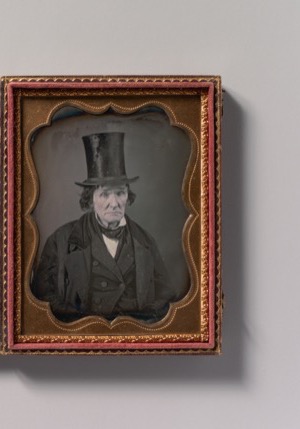
Edmund Harwick
Member of Parliament
MP for Kensington Ward. Age 58. Known for his temperance speeches and his private vices. Found dead in his locked study, morning of November 9, 1847.
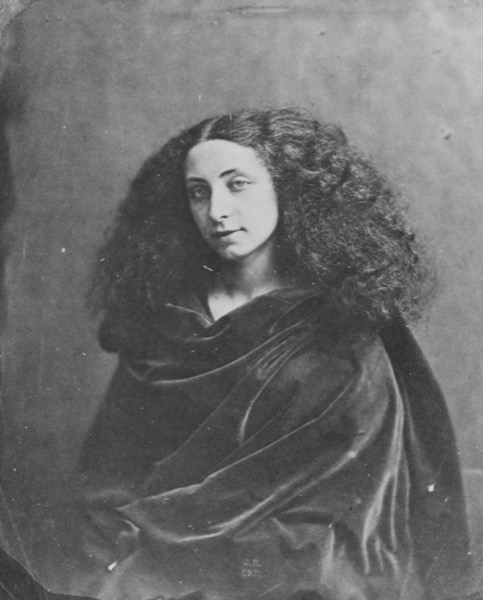
Vivienne Harwick
The Widow
His wife. Age 34. Born Vivienne Alcott, daughter of a Somerset clergyman. Married Edmund Harwick in 1839. Widowed, and now possessed of his full estate.
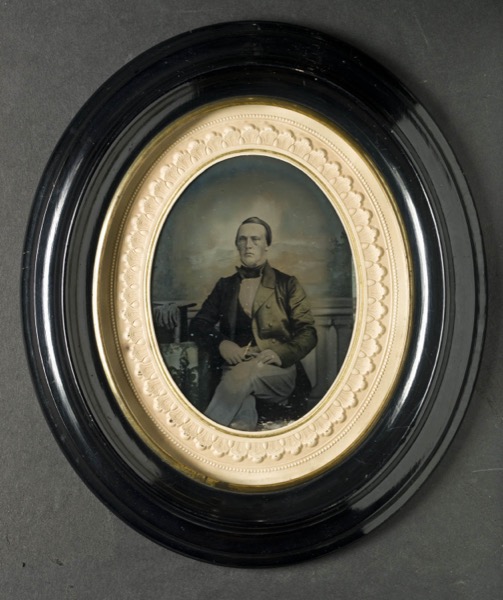
Dr. Aldous Crane
Consulting Surgeon
Scotland Yard consulting surgeon. Personal physician to Harwick for eleven years. Signed the death certificate within six hours of the body's discovery.
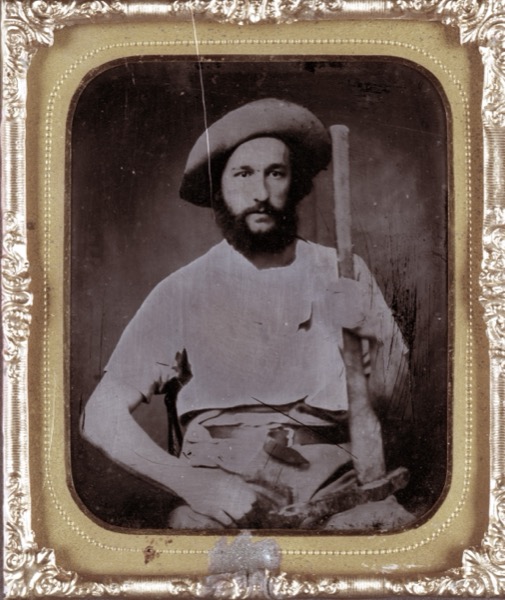
Constable Rowe
Metropolitan Police
First responder. Filed the incident report. His statement contains two facts that do not agree with Dr. Crane's account.
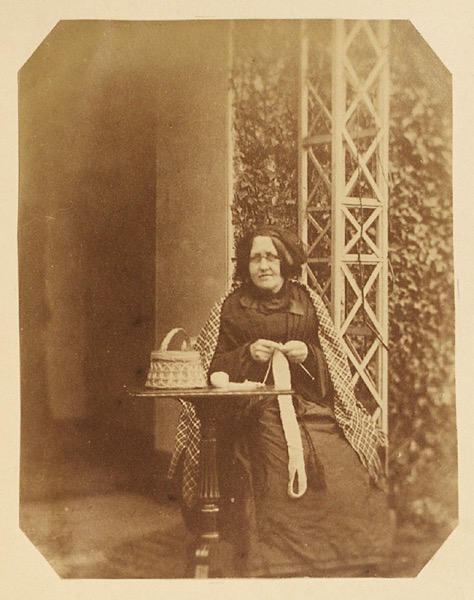
Mrs. Pratt
Household Cook
The Harwick household cook. Present in the house the evening of November 8th. Her written statement was submitted — and then inexplicably misfiled.
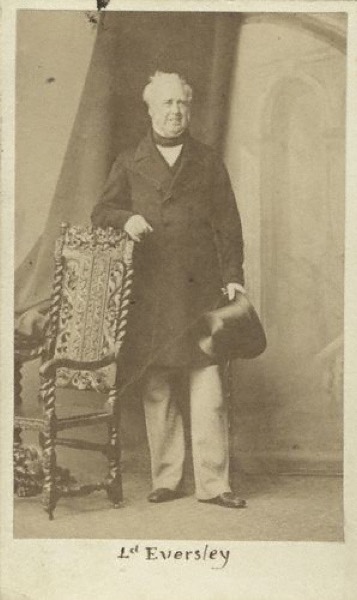
Lord Ashmore
Harwick's Associate
A member of Harwick's private club. Seen departing Harwick Lane at half past ten in the evening on November 8th. Never interviewed.
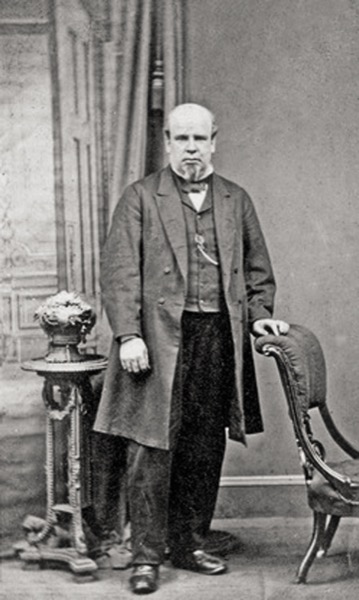
Inspector Holt
Scotland Yard
Closed the case. Received a banking deposit of £200 on November 13th, 1847 — two days after the case closed.
Portraits: daguerreotype plates, November 1847. Provenance withheld.
✦ The Evidence ✦
Document
Post-mortem report filed by Dr. Aldous Crane, November 9, 1847.
Report reads
"Subject Edmund Harwick, age 58. Examined at 7:00 a.m., November 9. Cause of death: cardiac failure consistent with advanced myocardial weakness. No signs of external trauma. Pupils normal. Hands undisturbed. Time of death estimated: between 10 p.m. and midnight, November 8."
Note
At the bottom of this report, beneath the signature, is a faint erasure. The original text, partially legible under close examination, reads: "...faint violet colouration at the nail beds, consistent with..." The rest has been removed.
Puzzle
What does the erased phrase suggest was the actual cause of death? The answer is a single word — the name of a substance known to Victorian physicians as a cardiac mimicker. Cross-reference this answer with Puzzle Three.
Violet colouration at the nail beds. Dr. Crane knew what he saw. He chose to erase it.
Document
Incident report filed by Constable Rowe, November 9, 1847.
Rowe states
"Arrived at Number 14 Harwick Lane at 6:45 a.m., upon the discovery of Mr. Harwick by his manservant. The study door was locked from the inside. The key was found in Mr. Harwick's right coat pocket. The fireplace contained fresh ash. The room smelled of tobacco. Mr. Harwick's glass of brandy was two-thirds full. Dr. Crane arrived at 7:15 a.m."
Crane states
"Examined subject at 7:00 a.m." (See Puzzle One.)
Mrs. Pratt's statement
"Mr. Harwick never drank brandy after supper. He was particular about it. He said brandy after nine o'clock gave him a terrible head."
Puzzle
Two facts in Constable Rowe's report contradict other evidence in this case file. Identify both contradictions.
One man arrived at seven-fifteen. The other examined the body at seven. Someone is lying about when they arrived — and why it matters is the question.
Document
A receipt, dated November 7, 1847. Found tucked inside a copy of Dickens' Dombey and Son on the Harwick study shelf.
Receipt reads
"Received from V.H. — the sum of four shillings and sixpence — for one preparation of Aconitum napellus tincture, 30 drops, oil of clove base. For external application only. — Fenwick Apothecary, Covent Garden."
Cross-reference
Return to your answer from Puzzle One. Aconitum napellus is commonly known as what? Confirm your answer here.
Note
"For external application only" was the legal fiction used by apothecaries to avoid prosecution. Aconitum napellus administered orally — particularly in liquid — produces exactly the symptoms recorded in the erased portion of Dr. Crane's report.
Puzzle
V.H. purchased this preparation two days before Edmund Harwick's death. Who is V.H.? What does the date of purchase tell you about premeditation?
She did not act in a moment of passion. She planned it with the calm of a woman who had been waiting for the right moment for a very long time.
Document
A page from Vivienne Harwick's personal commonplace book, submitted in evidence — then returned to her without being read.
The border text reads
"Love is the candle that winter cannot darken; it burns though the frost comes and the wind stirs the ash. Men think the cold extinguishes it, but no — the flame finds shelter in the smallest place, the warmest corner, the truest heart."
Instructions
Extract every fifth word from the border text above, beginning with word five. Write them in sequence.
Puzzle
Who was Vivienne writing to — or writing for? The decoded message, combined with the receipt from Puzzle Three and the interview record of Lord Ashmore (seen leaving Harwick Lane at 10:30 p.m. the night of the death), suggests a conclusion. State it.
She hid it in plain sight. As women always must.
Document
A partial banking ledger, obtained by the Society from a contact at Barclays. November 13, 1847.
Entry reads
"Deposit received: £200. Reference notation: H.L.C." Deposited to the private account of Inspector Thomas Holt, Scotland Yard.
Cross-reference
H.L.C. — Harwick Lane Case. The deposit arrived two days after Holt closed the case and forty-eight hours before any appeal could legally be filed.
Note
A second notation in the ledger margin, in a different hand: "Per arrangement with A.C." Dr. Aldous Crane's initials.
Puzzle
Arrange the five pieces of evidence in chronological order of the events they describe. Then answer: who received payment to ensure this case stayed closed, and what was the chain of arrangement?
The physician saw the truth and erased it. The inspector closed the file and pocketed his payment. A woman walks free — and a man who made her life a private hell lies in the ground.
✦ The Society Awaits Your Conclusion ✦
Seal the Case
When you have assembled the truth, open this envelope. The Society will confirm what you found — and what you may have missed.